Transformation of PhDs in a pediatric oncology network – Máxima Butterfly
The Máxima Butterfly program drives the Máxima Center’s mission forward by training 28 international PhD students across five research areas, from fundamental science to clinical trials, building the next generation of pediatric oncology experts and global collaborations to improve outcomes for young patients. The Princess Máxima Center coordinates and hosts the Butterfly programme
Project Objective
The Máxima Butterfly programme trains the next generation of pediatric oncology scientists, spanning research from fundamental tumor biology to translational science and clinical trials, all aimed at improving outcomes and quality of life for young cancer patients.
Impact on the Máxima Mission
Early publications already address pressing clinical needs, from improved imaging of solid tumors to reducing long-term treatment side effects, reflecting the urgent need for more targeted, less toxic therapies in pediatric oncology.
Role of the Máxima Center
The Princess Máxima Center coordinates and hosts the Butterfly programme, embedding doctoral candidates within Utrecht University while providing access to specialized clinical and research infrastructure.
Unique Aspects
The programme's strength lies in its training, its impact on international, intersectorial and interdisciplinary mobility as well as its breadth and connectivity. Students work across five research areas: Brain Tumors, Solid Tumors, Blood Cancers, New Technologies, and Quality of Life, combining scientific training with transferable skills like entrepreneurship and knowledge-sharing.
A defining feature is the secondment structure: each of the 28 international PhD students undertakes two secondments at academic and non-academic partner organizations, spanning national, international, and global locations, already across 12 European countries as well as the USA and Australia. These secondments expose students to diverse research environments, clinical practices, and industry perspectives, broadening their skill sets and embedding them in a worldwide professional network.
Scope and Details
Already, the programme has driven several scientific advances offering new hope for more precise and personalized treatment. Key innovations include contributions to the development of a cutting-edge liquid biopsy test for detecting and tracking cancer cell mutations, advanced precision diagnostics to refine treatment strategies, targeted immunotherapy interventions, and approaches to minimize treatment side effects, such as strategies to protect children's hearing during chemotherapy.
So far, the project has produced 17 open-access publications, with many more in the pipeline, spanning research from fundamental tumor biology to translational science and clinical trials. The value of PET-based molecular imaging in assessing and managing solid tumors in children is highlighted, as well as a review on using sodium thiosulfate (STS) to protect hearing in children treated with cisplatin chemotherapy.
Student achievements further reflect the programme's impact: 12 successful travel grant applications and three notable awards: the Mia Neri Award for outstanding presentation in cancer genetics (European Society of Human Genetics, 2026), the SIOP Young Investigator Award (2025), and the inaugural Jan van de Winkel Genmab Scholarship (2024).
Strong stakeholder engagement has significantly raised the programme's visibility nationally and internationally.
Broader Impact
Beyond science, the programme is expected to generate economic value through new immunotherapy markets and cost-effective diagnostics like liquid biopsies, while easing long-term healthcare costs. Societally, earlier interventions, such as neuropsychological screening, may reduce developmental challenges and family stress. As the programme is still in its early stages, its full scientific and societal impact will likely extend well beyond its initial duration.
Contact

Marcel Kool
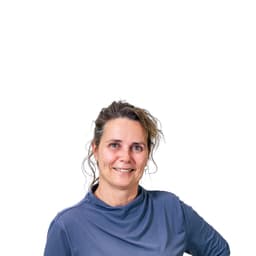
Martina O'Flaherty
The Butterfly project is made possible thanks to Horizon Europe/Marie Skłodowska-Curie COFUND project number 101081481, the Princess Máxima Center and the participating research groups.