Hoeijmakers group
Although most children with cancer are cured, they may be confronted with the negative lasting effects of the treatment later in life. We aim to find ways to reduce these long-term effects and improve quality of life through nutritional interventions.
Contact
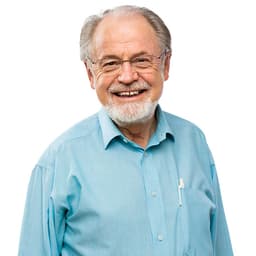
Jan Hoeijmakers
Damage to our genome occurs continuously in every cell at a massive scale. Time- and exposure-dependent accumulating DNA damage leads to mutations that can initiate and drive carcinogenesis or -as we discovered- physically hamper transcription, triggering functional decline, cellular senescence and cell death causing aging. Our main research focus is the interplay between DNA damage accumulation and repair in cancer (therapy) and (accelerated) aging and neurodegeneration. By studying molecular mechanisms up to patients, we intend to obtain an integral understanding and derive rational-based effective strategies, including nutritional and pharmacological interventions which promote overall healthy aging and reduce severe long-term side effects and improve quality of life in children cured from cancer.
“I am dedicated to curing children with cancer without loss of quality of life later”
Jan Hoeijmakers
Research group leader
Relevance for Pediatric Oncology
These findings are particularly relevant in the context of pediatric oncology, where chemo/radiotherapy given to children as treatment against their cancer, also results in DNA damage accumulation is other organs and tissues, thereby contributing to the development of direct and/or late-life side effects and (segmental) accelerated aging. By means of nutritional preconditioning, DR and/or fasting regimens could be implemented prior to treatment, to have the remarkably powerful protective ‘survival response’ activated at the start of therapy. The boosted defense and resilience mechanisms, reduce DNA damage, delay aging and protect from surgery-associated ischemia/reperfusion-injury and chemo/radiotherapy. We study these concepts and underlying mechanisms using cell systems, organoids, organotypic tissue slices, mouse models and in clinical studies in patients with the aim to improve quality of life of all (ex-)cancer patients.
In summary, this pioneering work places DNA damage at the basis of cancer and aging, highlights the flexible nature of aging and establishes the repair mutants as valid tools for identification of life- and healthspan-extending pharmaceutical and nutraceutical interventions in mammals. This opens new avenues for prevention or treatment of aging-related diseases, including cancer.
Our activities
- DNA Damage and RepairThe research of the Hoeijmakers group focusses on DNA damage accumulation and repair and its consequences for cancer and aging: the main healthcare problems in developed societies.
- Connection with Cancer and AgingJan Hoeijmakers' team identified which repair processes primarily protect from cancer and which from accelerated aging and succeeded in getting grip on the aging process in mice by modulating DNA repair and, surprisingly, by nutritional interventions.
- Counteracting Damage by NutritionRapid accumulation of unrepaired DNA damage in these mice may cause cancer and/or premature (cell) death and senescence, but triggers also an anti-aging, anti-cancer response likely in an attempt to extend their short lifespan.
Grants, awards, publication and valorisation
Join us
To cure every child with cancer, we are looking for the best scientists! Working in a top organization demands highly qualified employees who perform to their utmost in a work environment with continuous motivation for improvement. Do you recognize yourself in our core values as groundbreaking and passionate? Explore the job opportunities in our research department.
Explore job opportunities